




Australia’s property market encompasses diverse environments, from purpose-built industrial facilities to carefully planned residential communities. Although these property types serve different audiences, both depend on thoughtful planning, reliable infrastructure, quality construction, and a clear understanding of how people use space. Hannas reflects a development vision centred on delivering high-quality property projects where functionality, design, connectivity, and long-term performance come together to create positive outcomes.
In This Article
- Quality Begins With Purposeful Planning
- Industrial Projects Require Operational Precision
- Residential Projects Focus on Everyday Experience
- Infrastructure Connects Every Development
- Design Creates Quality and Identity
- Adaptability Supports Future Requirements
- Sustainability Is Becoming a Core Consideration
- Technology Is Enhancing Modern Properties
- Location Influences Long-Term Property Value
- Quality Construction Supports Lasting Performance
- Conclusion
Quality Begins With Purposeful Planning
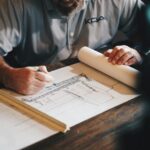
Every successful property project starts with a clear understanding of its purpose. Industrial developments need to support logistics, storage, production, and business operations, while residential projects focus on comfort, accessibility, community, and everyday living.
Purpose-led planning allows design and infrastructure decisions to respond directly to these requirements. This creates properties where individual features contribute to a cohesive and practical outcome.
Industrial Projects Require Operational Precision
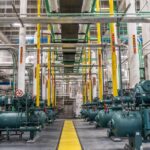
Industrial properties must support a range of activities, including vehicle movements, deliveries, storage, equipment, staff operations, and technology.
Careful site planning can improve circulation, access, loading arrangements, and internal functionality. Well-designed industrial environments can help businesses use their premises efficiently while providing room for future operational changes.
Residential Projects Focus on Everyday Experience
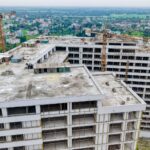
Residential development requires a different approach, with greater emphasis on comfort, privacy, accessibility, natural surroundings, and community experience.
Thoughtful layouts, landscaping, amenities, pedestrian connections, and well-planned infrastructure can contribute to attractive residential environments. The objective is to create spaces that support everyday living while remaining connected to their broader surroundings.
Infrastructure Connects Every Development
Infrastructure is fundamental to both industrial and residential property. Roads, utilities, drainage, communications, transport connections, and access networks influence how successfully a development operates.
Strong infrastructure planning can improve connectivity and provide a reliable foundation for long-term growth. When infrastructure is coordinated with property design, developments can function more effectively as complete environments.
Design Creates Quality and Identity
Quality design adds value across different property categories. Industrial buildings can benefit from contemporary architecture, efficient layouts, landscaping, and professional presentation, while residential projects can use design to create attractive homes and cohesive communities.
The most effective approach combines appearance with practical performance. Design should enhance the way a property is used rather than simply focusing on visual appeal.
Adaptability Supports Future Requirements
Property needs can evolve as businesses grow, families change, technology advances, and surrounding areas develop.
Flexible planning can help properties respond to these changes. Industrial facilities may require adaptable operational areas, while residential environments can benefit from versatile spaces and infrastructure designed with future needs in mind.
Sustainability Is Becoming a Core Consideration
Sustainable development is increasingly relevant across both industrial and residential projects. Energy efficiency, water management, responsible materials, landscaping, and resource-conscious infrastructure can improve overall property performance.
These features can also contribute to comfortable environments and efficient operations. Integrating sustainability early in the development process allows it to become part of the property’s fundamental design.
Technology Is Enhancing Modern Properties
Technology is creating new opportunities across the property sector. Industrial facilities can benefit from automation, smart security, digital connectivity, and energy monitoring, while residential developments can incorporate connected systems and modern communication infrastructure.
Technology-ready planning can make properties more convenient and adaptable while preparing them for future innovation.
Location Influences Long-Term Property Value
Strategic location remains important for both industrial and residential development. Industrial users benefit from transport and business connections, while residential communities value access to employment areas, services, transport, and surrounding amenities.
Understanding these relationships can help developers select and plan projects that respond effectively to the characteristics of each location.
Quality Construction Supports Lasting Performance
Strong construction provides the physical foundation for a successful property. Durable materials, careful workmanship, appropriate building systems, and coordinated project delivery can contribute to long-term reliability.
Quality construction also helps ensure that the final project reflects the original development vision, creating consistency between planning, design, and completed outcomes.
Conclusion
A vision for high-quality industrial and residential development begins with recognising that every property serves a distinct purpose while sharing fundamental principles of quality, planning, infrastructure, design, and long-term value. By combining practical functionality with thoughtful design, sustainability, technology, adaptability, and strong construction, modern property projects can create environments that serve businesses, residents, and communities effectively. This balanced development philosophy provides a strong foundation for delivering high-quality spaces prepared to meet Australia’s evolving property needs.
The Short Version
- Australia’s property market includes a range of types, from industrial facilities to residential communities, all dependent on thoughtful planning and infrastructure.
- Industrial properties require careful site planning to support logistics and operations while enhancing functionality and future adaptability.
- Residential developments emphasize comfort, privacy, and community engagement, necessitating thoughtful design and infrastructure to support everyday living.
- Sustainability is increasingly important in property development, focusing on energy efficiency and resource-conscious design elements.
- Quality construction is essential for long-term property performance, ensuring reliability and alignment with the original development vision.
- Location significantly impacts long-term property value, with strategic positioning enhancing accessibility to services and transportation.