









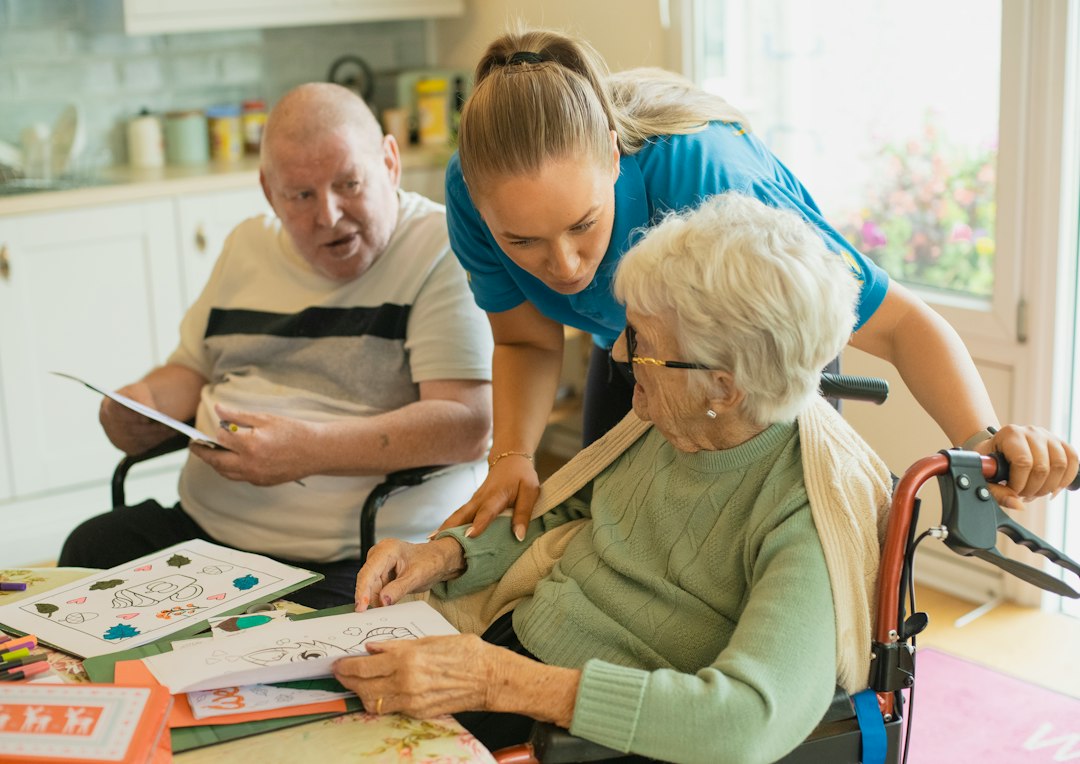
As people age, everyday activities may require additional time, effort, or assistance. Many older adults prefer to continue living in their own homes, where familiar surroundings and established routines provide comfort and stability. Homewatch CareGivers Windsor highlights the importance of personalized in-home support that helps seniors manage daily responsibilities while maintaining dignity and independence. With compassionate assistance, older adults can receive the help they need, and families can feel more confident about their loved ones’ everyday well-being.
Personalized Care for Individual Needs
Every senior has different abilities, preferences, and support requirements. Some individuals may need occasional help with household activities, while others benefit from regular assistance with personal care, mobility, or companionship.
Personalized care begins with understanding the individual’s daily routine and identifying activities that have become challenging. Families can discuss preferred schedules, personal habits, physical limitations, and the level of support required. This information helps establish an arrangement that reflects the senior’s lifestyle rather than imposing an unfamiliar routine.
Care needs may also change over time. Reviewing arrangements regularly and maintaining open communication can help ensure that assistance remains appropriate and comfortable.
Support With Daily Personal Care
Personal care assistance can make everyday routines easier for seniors who experience difficulty with certain activities. Caregivers may provide respectful help with bathing, dressing, grooming, toileting, and maintaining personal hygiene.
The aim is to support individuals without taking away their independence. Seniors should be encouraged to complete tasks they can manage comfortably, while receiving assistance where additional help is necessary.
Some older adults may also need support when standing, walking, or moving between rooms. Appropriate mobility assistance can make daily activities more manageable. Any specialized medical or rehabilitation requirements should be handled by qualified healthcare professionals.
Companionship and Social Engagement
Emotional well-being is an important part of comfortable aging. Spending long periods alone can limit opportunities for conversation and social interaction. Companion care provides seniors with meaningful engagement through everyday activities.
Caregivers may spend time reading, playing games, discussing personal interests, supporting hobbies, or accompanying seniors on suitable walks. These interactions can add variety to daily routines and help individuals feel more connected.
Developing a comfortable relationship with a caregiver can also make receiving assistance easier. When caregivers understand a senior’s personality, preferences, and communication style, interactions can become more natural and enjoyable.
Household Assistance and Meal Preparation
Maintaining a home can become physically demanding as people grow older. Household responsibilities such as laundry, washing dishes, light cleaning, and organizing personal belongings may require additional effort.
In-home caregivers can help with suitable household tasks, allowing seniors to enjoy a more organized and comfortable living space. Meal preparation can also support regular eating habits while considering personal preferences and established dietary instructions.
By sharing these responsibilities, caregivers can help seniors conserve energy for relaxation, hobbies, and time with family members.
Helping Families With Caregiving Responsibilities
Family members often manage caregiving alongside employment, parenting, and other personal commitments. Providing regular assistance to an aging relative can become challenging when responsibilities increase.
Professional in-home support can help families share these duties while remaining involved in important decisions. Before care begins, relatives should discuss schedules, expected responsibilities, communication methods, and any specific instructions.
Regular updates can help families understand how their loved ones are managing everyday routines and whether additional assistance may be needed.
Maintaining a Safe Home Environment
A supportive home environment can help seniors move around with greater confidence. Families can consider improving lighting, removing loose rugs, keeping walkways clear, and placing frequently used items within easy reach. Suitable bathroom safety features may also make personal care activities easier.
Caregivers can encourage safer daily habits and communicate potential household concerns to family members.
Supporting Comfortable Aging in Windsor
Compassionate in-home care combines practical assistance with patience, respect, and attention to individual preferences. For seniors and families in Windsor, personalized support can help make everyday activities more manageable while preserving familiar routines. Through thoughtful planning, dependable communication, and appropriate assistance, older adults can enjoy greater comfort at home while families gain additional reassurance and opportunities to spend meaningful time together.
The Short Version
- Many older adults prefer to live in their own homes, where familiar surroundings provide comfort and stability.
- Personalized in-home support helps seniors manage daily responsibilities while maintaining dignity and independence.
- Caregivers provide assistance with personal care tasks including bathing, dressing, grooming, and maintaining hygiene.
- Companion care offers seniors meaningful engagement through activities like reading, games, and hobbies, promoting emotional well-being.
- In-home caregivers can assist with household tasks and meal preparation, allowing seniors to conserve energy for relaxation and family time.
- Creating a supportive home environment with safety features can help seniors move around confidently and reduce risks of accidents.