

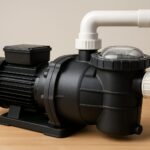





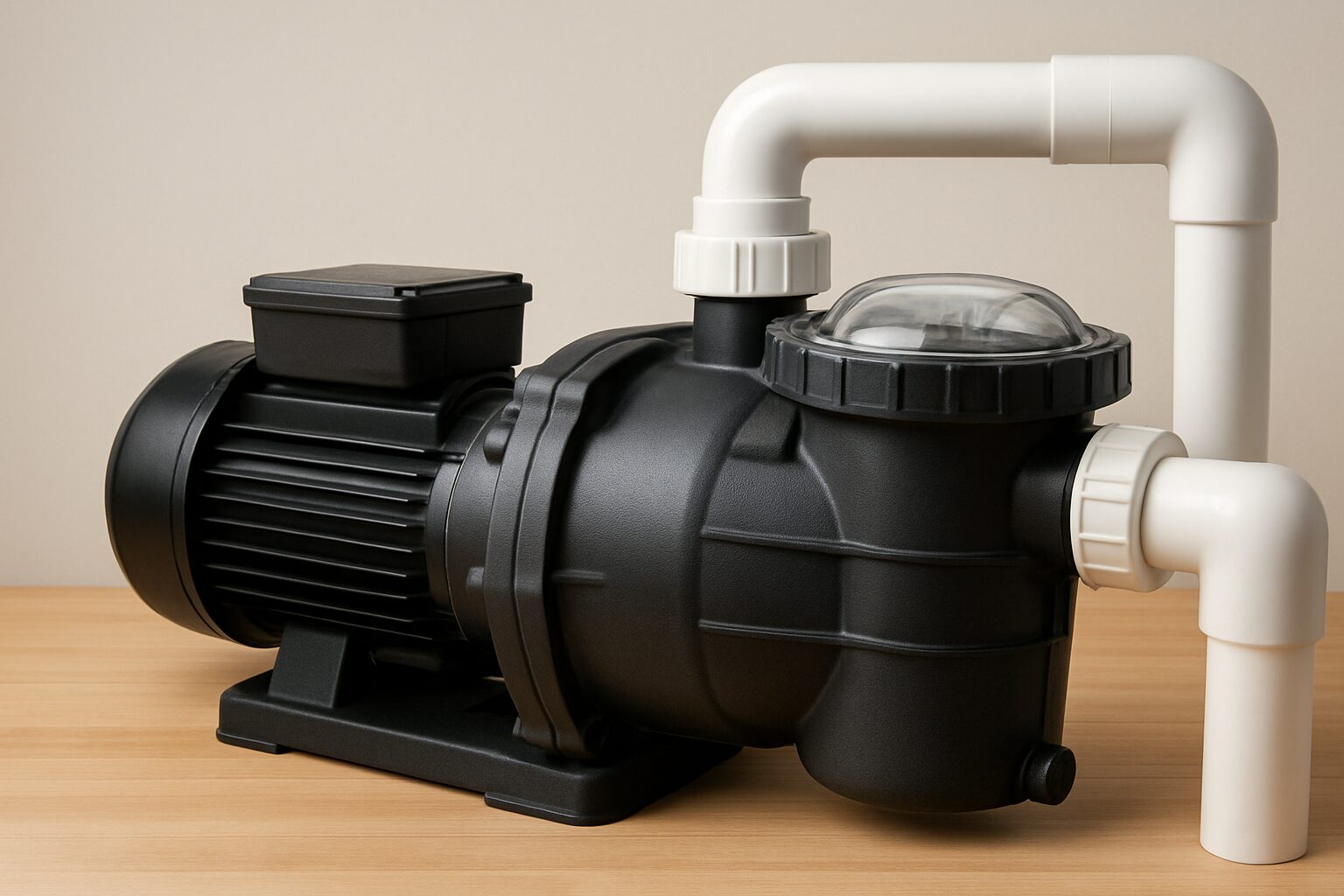
A well-functioning pool depends on more than clean water and attractive surroundings. Behind every refreshing swim is a circulation system that keeps water moving, supports filtration, and helps maintain a balanced pool environment. When that system begins showing signs of trouble, timely pool pump repair can help restore dependable circulation before a minor concern develops into a larger maintenance challenge. Understanding common pump issues also helps pool owners make informed decisions about care and service.
In This Article
- Why Is the Pool Pump So Important?
- What Are Common Signs of Pump Problems?
- Why Does a Noisy Pump Need Attention?
- How Can Poor Water Flow Affect Pool Performance?
- What Causes a Pool Pump to Leak?
- Can Regular Maintenance Prevent Pump Problems?
- How Often Should Pool Equipment Be Inspected?
- Is Professional Repair Better Than Ignoring a Small Problem?
- What Should Pool Owners Look for in a Repair Service?
- Why Does Timely Pump Care Matter?
Why Is the Pool Pump So Important?
The pool pump is a central part of the circulation system. It moves water through the filtration equipment and sends it back into the pool, helping maintain consistent circulation. Without effective water movement, debris can accumulate, filtration can become less efficient, and water quality may become harder to manage. Regular attention to the pump supports the overall performance of the pool system.
What Are Common Signs of Pump Problems?
Pool pump issues can appear in several ways. Unusual sounds, reduced water movement, visible leaks, inconsistent pressure, difficulty starting, or unexpected shutdowns may indicate that professional attention is needed. A pump that operates differently from its normal pattern should not be ignored. Recognizing these warning signs early can make troubleshooting more straightforward and help protect connected equipment.
Why Does a Noisy Pump Need Attention?
A pump that suddenly becomes louder can indicate several possible concerns. Worn components, restricted water flow, trapped air, or mechanical stress may affect normal operation. Simply ignoring the noise can allow the underlying issue to continue developing. A professional inspection can identify the source of the sound and determine whether adjustment, cleaning, or component service is appropriate.
How Can Poor Water Flow Affect Pool Performance?
Water circulation plays a major role in maintaining a healthy swimming environment. Weak flow may result from clogged filters, blocked lines, air entering the system, or pump-related problems. When circulation is inconsistent, filtration may not perform as expected. Addressing the source of restricted flow helps the entire pool system operate more effectively and consistently.
What Causes a Pool Pump to Leak?
Leaks may develop around seals, fittings, connections, or other components within the pump system. Even a small leak deserves attention because continued water loss can affect surrounding equipment and operating conditions. Identifying the location of the leak is an important first step. Professional evaluation can help determine whether the issue involves a replaceable component, connection, or a more significant mechanical concern.
Can Regular Maintenance Prevent Pump Problems?
Routine maintenance is one of the most practical ways to support reliable pool equipment. Keeping filters clean, checking circulation, inspecting visible connections, and observing pump behavior can reveal developing concerns. Preventive care does not eliminate every possible mechanical issue, but it can help identify unusual conditions before they interfere with normal pool operation.
How Often Should Pool Equipment Be Inspected?
Inspection needs vary according to equipment age, usage, environmental conditions, and the overall pool system. However, consistent observation is valuable throughout the swimming season. Changes in sound, pressure, water movement, or pump behavior should receive attention rather than being treated as normal wear. Regular professional assessments can provide an additional layer of confidence in system performance.
Is Professional Repair Better Than Ignoring a Small Problem?
A small pump issue may appear harmless at first, but mechanical problems can become more complicated when operation continues under abnormal conditions. Delayed attention may place additional stress on connected components. Professional service provides an opportunity to diagnose the actual cause instead of relying on assumptions. This approach supports safer decisions and more dependable long-term pool maintenance.
What Should Pool Owners Look for in a Repair Service?
Experience, careful diagnosis, clear communication, and attention to system details are important qualities. A dependable service approach should focus on identifying the underlying problem rather than simply addressing its most visible symptom. Professional workmanship can help restore proper circulation while supporting the longevity of the pool equipment.
Why Does Timely Pump Care Matter?
Pool equipment works as a connected system, meaning one malfunction can influence several aspects of pool performance. Prompt attention helps maintain circulation, filtration, and operational consistency. For homeowners who want their pool to remain inviting and dependable, watching for early warning signs and arranging appropriate service is a practical part of responsible ownership. With informed maintenance and professional care, a pool pump can continue supporting a cleaner, more enjoyable swimming environment.
The Short Version
- The pool pump is essential for maintaining consistent water circulation, supporting filtration, and ensuring water quality.
- Common signs of pool pump problems include unusual sounds, reduced water movement, visible leaks, inconsistent pressure, and difficulty starting.
- Poor water flow can lead to inefficient filtration and a compromised swimming environment, resulting from issues like clogged filters or blocked lines.
- Leaks in the pump system can develop around seals and fittings, and even minor leaks require attention to prevent further complications.
- Routine maintenance, such as cleaning filters and inspecting connections, is vital for early detection of potential pump problems.
- Choosing a repair service with experience and a focus on diagnosing underlying issues helps ensure the longevity and reliability of the pool pump.